


Timothy Shetter, M.S.
M.S. Marriage and Family Therapy · 18+ years with couples · Creator of TRIM and the NaKED Scan
A surprising number of couples are spending almost all of their time together and still feeling emotionally disconnected.
That is one of the quieter realities I see in marriage counseling and coaching work.
The issue is usually not a complete absence of contact. It is not that the couple never talks, never sits together, or never shares space. Often they are constantly around each other. Same house. Same routines. Same responsibilities. Same screens glowing in the same room at night.
But the relationship itself starts thinning out underneath the logistics.
Disconnection rarely begins with hostility. It usually begins with emotional drift.
That is part of why the idea of “solo-dating while married” has gained attention recently. Couples are trying to solve a very real problem. They feel overextended, emotionally crowded, overstimulated, or quietly resentful. They miss parts of themselves. They miss breathing room. They miss feeling alive inside their own skin instead of functioning like permanent coworkers managing a household operation together.
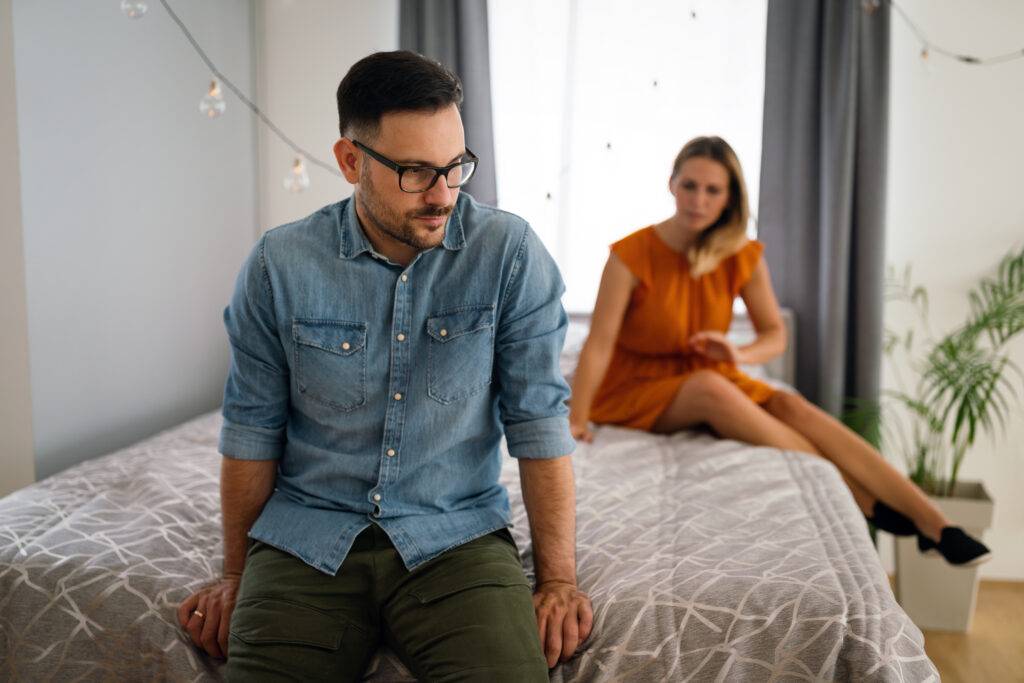
And honestly, some of that instinct makes sense.
Healthy marriages absolutely need individuality.
But like many popular relationship ideas, solo-dating gets interpreted in ways that either strengthen the marriage or slowly weaken it. Some couples use independence to deepen the relationship. Others use it to avoid the relationship.
Those are not the same thing.
The issue is not whether married people should have independent lives.
The deeper question is:
Does your independence strengthen the “We,” or quietly replace it?
That distinction matters more than most couples realize.
Why so many marriages become emotionally crowded and emotionally lonely at the same time
A lot of modern marriages are overloaded systems.
Two careers.
Kids.
Schedules.
Phones.
Notifications.
Constant logistical communication.
Financial pressure.
Mental exhaustion.
Many couples are communicating all day long and connecting very little.
That is an important distinction.
A marriage can become highly operational while slowly becoming emotionally undernourished.
The couple becomes efficient together. Functional together. Productive together.
But not deeply known.
And eventually one or both spouses starts feeling something difficult to explain:
“I’m around you constantly, but I don’t actually feel connected to you anymore.”
That feeling tends to confuse people because there may not be one giant problem to point at.
No affair.
No explosive betrayal.
No catastrophic event.
Just a slow erosion of emotional vitality.
Small moments become the emotional memory of the marriage.
And if most moments become transactional, rushed, distracted, or purely logistical, the system starts producing emotional distance even while the marriage technically remains intact.
That is often when couples begin searching for marriage counseling in Arizona or looking for answers about emotional disconnection. Not because they hate each other, but because the relationship no longer feels alive in the way it once did.
What solo-dating gets right
Here is what I think the solo-dating conversation gets right.
Strong marriages are not built by two people dissolving into each other.
That may sound romantic for a season, but it usually creates problems long term.
People need room to think.
Room to reflect.
Room to breathe.
Room to remember who they are outside of productivity and responsibility.
A healthy marriage should not require the death of individuality.

In fact, many couples become more interesting to each other when they remain connected to their own growth, interests, creativity, friendships, purpose, and emotional life.
That is not selfishness.
That is maturity.
Some spouses have not been alone with their own thoughts in years unless they are sitting in traffic.
Others quietly resent the relationship because they feel swallowed by obligation but cannot quite articulate why.
And eventually the marriage starts carrying pressure it was never designed to carry.
Your spouse cannot become your entire emotional ecosystem without the relationship eventually straining under the weight.
That part matters.
Healthy independence often creates healthier presence.
When people have enough internal space to reset emotionally, think clearly, reconnect with themselves, and regulate stress, they often return to the marriage less reactive, less emotionally depleted, and more capable of genuine connection.
That is real.
But this is where the conversation usually gets shallow online.
Because independence by itself is not automatically healthy.
Distance and health are not synonyms.
Some couples are practicing healthy independence. Others are quietly exiting the relationship
I think this is the part many couples fail to recognize.
The same outward behavior can come from two completely different systems.
HEALTHY INDEPENDENCE
One spouse takes a Saturday morning alone to hike, think, recharge, and reconnect internally. They come back more grounded, more emotionally available, and more present in the relationship afterward.
QUIETLY EXITING
Another spouse disappears into “alone time” because it feels easier than engaging the tension, hurt, disappointment, or unresolved distance inside the marriage.
Same behavior.
Different meaning.
Different outcome.
That is why simplistic relationship advice often fails people.
Behavior matters.
But the system underneath the behavior matters more.
A lot of couples are not actually practicing healthy independence.
They are practicing low-conflict disengagement.
They coexist politely while slowly withdrawing emotionally from each other.
The marriage remains functional enough to avoid crisis, but the emotional core weakens over time.
Many marriages become operational long before they become emotionally unsafe.
That line is important because emotional disconnection usually does not arrive dramatically. It arrives gradually through repeated emotional non-participation.
Less curiosity.
Less pursuit.
Less intentionality.
Less shared meaning.
Less emotional risk.
Eventually the couple stops building connection and starts managing comfort.
That is when independence quietly becomes parallel avoidance.
Healthy solo-dating should create return, not escape
Here is the distinction I wish more couples understood:
Healthy independence creates renewed engagement with the relationship.
Unhealthy independence creates increasing disengagement from it.
One strengthens the “We.”
The other slowly replaces it.
That is the real diagnostic question.
After time apart, do you become more emotionally available to each other or less?
Does independence create gratitude, vitality, perspective, and warmth?
Or does it become the preferred alternative to connection itself?
Those are very different relational systems.
I sometimes tell couples this:
The goal is not merely to become excellent roommates with good personal boundaries.
The goal is to build a marriage where individuality and togetherness actually reinforce each other.
That requires intentionality because drift always has gravity.
Left unattended, relationships naturally slide toward convenience, predictability, and emotional efficiency.
Not necessarily because people are bad.
Usually because they are tired.
And tired couples often default to low-risk relating.
They talk about logistics instead of inner life.
Schedules instead of fears.
Tasks instead of desires.
Coordination instead of connection.
Then eventually the marriage starts feeling emotionally flat even though nobody can point to one obvious disaster.
A marriage can survive space. It struggles to survive indifference
One of the biggest misunderstandings around connection is the belief that proximity automatically creates intimacy.
It does not.
You can spend every evening together and still slowly lose each other emotionally.
At the same time, healthy space inside a connected marriage can actually increase appreciation, attentiveness, attraction, and emotional clarity.
The issue is not time apart.
The issue is emotional orientation.
Are you still turning toward each other emotionally?
Or are you quietly building separate lives under the same roof?
That is why solo-dating should not merely be understood as “doing things independently.”
The real question is whether the marriage still feels chosen.
Because chosen relationships feel different.
There is pursuit.
Curiosity.
Attentiveness.
Emotional responsiveness.
Repair after distance.
Movement toward one another.
Without those things, independence can slowly become emotional outsourcing.
The relationship begins surviving on logistics while emotional nourishment gets sought elsewhere through work, hobbies, screens, friendships, fantasy, productivity, or isolation.
Again, none of those things are automatically bad.
But the system is always producing something.
And wise couples eventually ask:
“What are our current patterns reinforcing between us?”
That is a much better question than:
“Are we technically spending enough time together?”
The deeper issue is often emotional depletion, not selfishness
This is another area where I think couples misread each other badly.
One spouse says:
“I just need some time for myself.”
The other hears:
“You don’t want me.”
But many times, the deeper issue is not rejection.
It is depletion.
The relationship has become so overloaded with stress, pressure, tension, criticism, logistics, conflict avoidance, or emotional management that being alone starts feeling like relief.
That matters.
Because once your spouse experiences solitude as emotionally safer than connection, the system is already telling you something important.
Not necessarily that the marriage is doomed.
But that something relational needs attention.
A lot of disconnected couples are not fighting because they hate each other.
They are withdrawing because the relationship has stopped feeling restorative.
That is a very different problem.
And it usually requires more than simply scheduling another date night.
Structure is reinforcement, not repair.
A calendar can create opportunity for connection, but it cannot manufacture emotional safety, curiosity, or presence.
That is why some couples can follow all the “relationship maintenance” advice in the world and still feel lonely together.
The pattern underneath remains unchanged.
The strongest couples know how to separate without disconnecting
This is probably the clearest way I can say it.
SAY THE QUIET PART
Healthy marriages are not built by avoiding separateness. They are built by learning how to separate without disconnecting.
That is maturity.
A strong couple can spend time apart without the relationship feeling abandoned.
And they can spend time together without feeling emotionally trapped.
That balance matters.
Because marriages weaken when individuality disappears completely.
But they also weaken when the shared identity of the “We” disappears too.
The healthiest couples protect both.
They remain distinct people while continuing to build a shared emotional world together.
That shared world does not build itself accidentally.
It is built through:
attention,
repair,
intentional engagement,
shared meaning,
follow-through,
emotional responsiveness,
and small moments of genuine presence.
Bricks of Trust are usually laid in ordinary moments, not dramatic ones.
A conversation where somebody actually listens.
A moment of warmth after stress.
A thoughtful check-in.
A repair attempt that lands.
A spouse feeling emotionally considered instead of merely managed.
Those moments matter more than people think.
Before asking whether you need more space, ask what the current system is producing
I think many couples ask the wrong question.
The question is usually:
“Is it healthy to have independence while married?”
Yes.
Often very healthy.
But that is not the most important question.
A better question is:
“What is our current pattern producing between us?”
Because independence inside a connected marriage feels very different from independence inside an emotionally drifting one.
One creates vitality.
The other quietly deepens distance.
One helps people return stronger.
The other slowly trains the couple to live increasingly separate emotional lives.
Same behavior.
Different system.
And systems matter because whatever gets repeated eventually becomes relational culture.
Final thoughts on solo-dating while married
Solo-dating while married is not inherently selfish.
And togetherness is not automatically connection.
The deeper issue is whether the marriage still feels emotionally alive, responsive, and intentionally built.
A lot of couples are not actually dealing with a lack of love.
They are dealing with emotional drift that has gone unchallenged for too long.
That drift often hides underneath busy schedules, polite coexistence, exhaustion, parenting, over-functioning, conflict avoidance, or low-risk relating.
And over time, the marriage starts functioning more like a coordinated partnership than a deeply connected relationship.
If you are feeling disconnected from your partner, it may be worth stepping back and looking honestly at the system the two of you have created together.
Not just who needs more space.
Not just who initiates more.
Not just whether you are spending enough hours together.
But what your current patterns are actually producing.
That is exactly what a Marriage Review & Road-Mapping Session is designed to help couples do.
Not to force blame.
Not to pressure quick emotional fixes.
And not to turn the relationship into another performance review.
The goal is clarity.
To step back far enough to see the emotional system clearly.
To identify where connection has weakened.
To understand the patterns reinforcing distance.
And to begin building a marriage where individuality and togetherness strengthen each other instead of quietly competing for survival.
Frequently Asked Questions
Is solo-dating while married healthy?
It can be. Healthy independence often helps people recharge emotionally, reconnect with themselves, and return to the relationship with more presence and patience. The problem is not independence itself. The problem is when independence quietly becomes emotional withdrawal or avoidance.
Can spending too much time together hurt a marriage?
Yes, sometimes. Constant proximity does not automatically create intimacy. Some couples become emotionally crowded, overstimulated, or overly logistical together. A marriage needs both connection and healthy individuality to remain emotionally alive.
What is the difference between healthy independence and emotional avoidance in marriage?
Healthy independence strengthens the relationship when spouses return more engaged, attentive, and emotionally available afterward. Emotional avoidance creates increasing distance, disengagement, and parallel lives where the couple slowly stops building connection intentionally.
Why do we feel disconnected even when we spend a lot of time together?
Because proximity is not the same thing as emotional connection. Many couples spend large amounts of time managing responsibilities together without actually engaging emotionally. Over time, the marriage becomes functional but emotionally thin.
Can solo hobbies and separate interests actually help a marriage?
Often, yes. Individual interests can create energy, perspective, confidence, and emotional renewal that strengthen the relationship. Strong marriages usually include both shared connection and personal individuality.
Are we becoming married roommates?
Many couples worry about this when the relationship becomes mostly logistical. Conversations revolve around schedules, responsibilities, kids, or tasks, while emotional intimacy slowly fades. Married roommates dynamics usually develop gradually through emotional drift, not sudden crisis.
Does needing space mean something is wrong with the marriage?
Not necessarily. Sometimes people simply need rest, solitude, or room to think clearly. But if solitude consistently feels safer, easier, or more emotionally rewarding than connection, it may signal deeper relational strain that deserves attention.
Can marriage counseling help with emotional disconnection?
Yes, especially when the issue is not one isolated conflict but a larger relational pattern. Systems-based marriage coaching and counseling help couples step back, identify what their current dynamics are producing, and rebuild healthier ways of connecting as a team.
Free · 5 minutes
Take the NaKED Scan
Get a read on how connected your marriage actually is tonight. Take it alone, then invite your spouse and compare.
Start the free scanFree · about 5 minutes · take it alone first
The full picture
Book a Marriage Review
Both of you assess separately. Then we map the whole marriage together, and I tell you honestly what help I think you need, even if it isn't me.
Book the session$350 · 90 to 120 minutes · both partners