
Why I Chose Marriage Coaching After Training in Marriage and Family Therapy
People sometimes ask me a reasonable question. If you earned a master’s degree in Marriage and Family Therapy, why do you call yourself a marriage coach?
There’s a story behind that decision, and it probably tells you more about how I work than any title could.
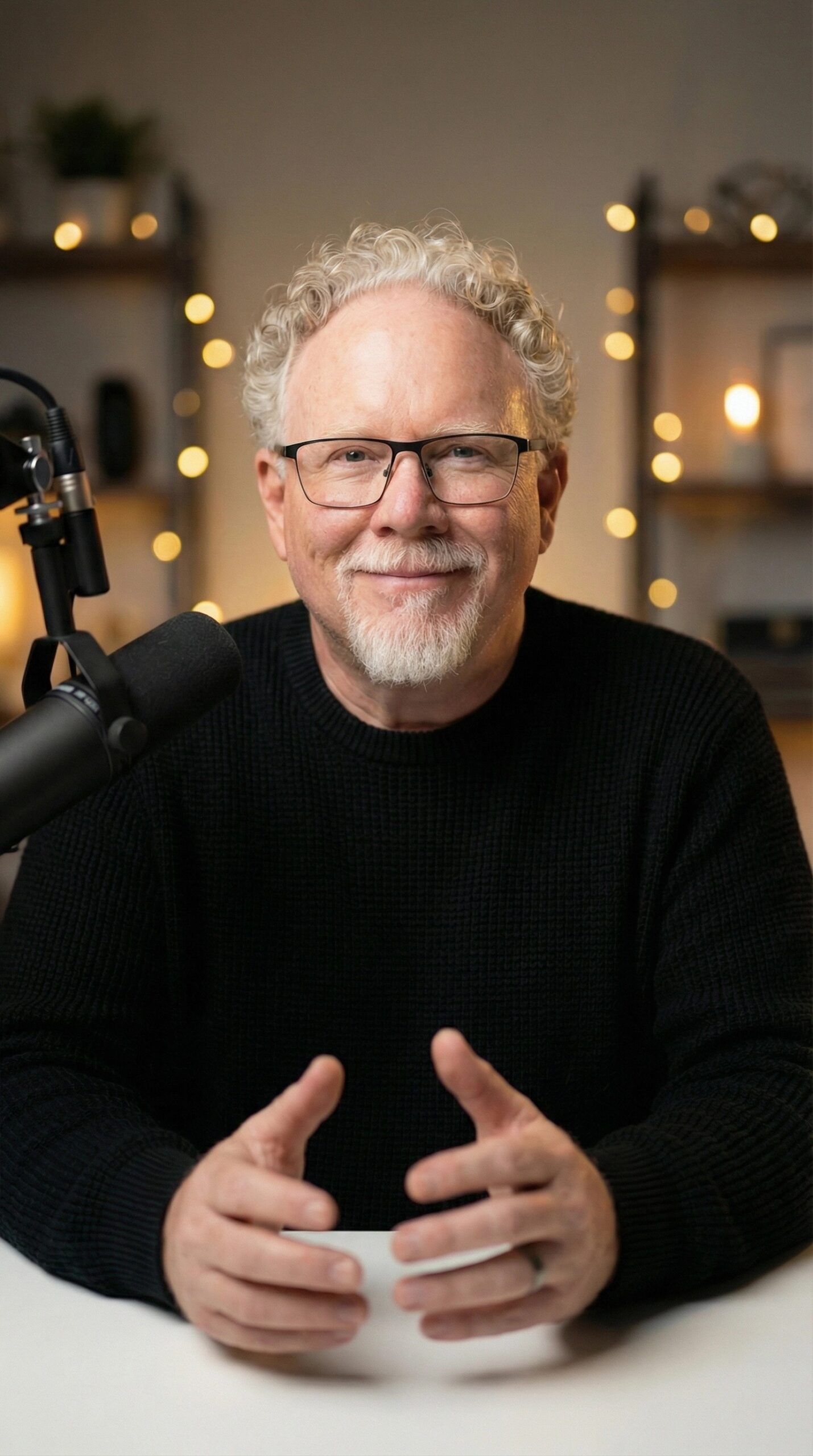
Where it started
My training came first
I was drawn to marriage and family therapy because it was different from treating two people as isolated individuals.
When a couple is stuck, it’s rarely enough to identify what each person thinks or feels. You have to understand what happens between them. How one person’s response influences the other, how those responses become a pattern, and why two people who love each other can keep producing the very result neither wants.
I earned an M.S. in Marriage and Family Therapy through a COAMFTE-accredited graduate program and completed approximately 3,000 hours of supervised professional work.
I decided not to take the licensing exam or pursue licensure. I didn’t make that decision because I wanted to skip training. I’d already invested years in it, and I continued taking professional education afterward.
The choice came down to the kind of work I wanted to do and the people I wanted to be able to serve.
Online, before it was normal
The couples who couldn’t always come to an office
I began using video appointments long before they became normal for practically everybody.
Some of the people I worked with were professional athletes, musicians, missionaries, or simply had jobs that kept them traveling. Their marriages didn’t stop needing attention when work took them to another city or another state.
I wanted the work to stay consistent.
A couple could make meaningful progress and then suddenly find themselves apart because one person was on the road again. I didn’t want the logistics to become another reason the marriage drifted back into old patterns.
Traditional clinical licensure was organized state by state, and practicing across those boundaries could become complicated quickly. Coaching offered a model better suited to the relationship-focused, educational work I wanted to provide, while still requiring me to stay within the applicable rules and scope of practice.
For me, that wasn’t a small advantage. Consistency matters in marriage work.
The word matters
Why the word “coaching” matters to some husbands
I also noticed something else over the years.
For some men, the phrase “marriage counseling” sounds like walking into a courtroom where the verdict has already been written. They expect to be analyzed, blamed, or teamed up against.
I’ve had husbands describe earlier counseling experiences where they felt like the counselor and their wife were sitting on one side of the table and they were on the other.
Whether that was the counselor’s intention or not, the experience mattered. Once someone feels cornered, they’re rarely going to become more curious or open.
The word coaching often feels different. It suggests we’re going to look at what’s happening and do something about it. There’s still room for difficult conversations, honesty, personal responsibility, and substantial emotional work. But the invitation feels more approachable.
And that’s what matters to me. If the language helps a husband agree to take that first step, we have a chance to work with the relationship instead of arguing over whether he’ll come.
How I work
I haven’t stopped thinking like an MFT
My education still shapes how I work.
I don’t begin with “Which spouse is the problem?” I ask what happens between you when things go wrong, what that pattern is producing, and what would help both people move toward something better.
I often say I have three clients: you, your partner, and the “We” you share. The “We” is my primary client.
That doesn’t mean the individuals disappear. It means I take the marriage seriously as something you’re building together.
Over time I developed my TRIM Operating System to help couples see their patterns, measure where connection and trust are weakening, and create a living Marriage Map they can actually use. It’s a practical expression of the systems thinking I trained in, combined with what I’ve learned working with couples for more than 18 years.
A fair question
What about licensing and insurance?
Licenses matter for regulated clinical work, and there’s an important place for diagnosing and treating mental health conditions. That’s simply not the service I’m offering.
My work centers on relational patterns, accountability, repair, and building a stronger marriage. It’s not medical treatment, and I don’t bill insurance.
Insurance reimbursement generally revolves around covered medical services and medical necessity, often involving individual diagnosis. The “We” in a marriage doesn’t have an insurance policy or a Social Security number. That little observation captures why I never wanted an insurance claim to define what a couple and I were trying to accomplish.
I’m not against licensed professionals. Some are extraordinarily skilled. I’m also not convinced that a professional designation alone tells you how experienced someone is at working with a marriage.
I still take continuing education seriously. I want my approach to keep getting better. I just don’t believe my clients benefit from pretending that clinical licensure is the only path to a deep understanding of relationships.
Where to start
Who this approach is for
Many of the couples I work with are capable people. They lead businesses, care for families, solve hard problems all day, and still get stuck having the same argument or living quietly disconnected at home.
A relationship doesn’t respond exactly like a business problem. You can’t simply get more efficient at marriage and expect intimacy to follow.
But you can understand your patterns, practice different responses, and choose what you’re going to build together.
That’s what I want for the couples I work with. Not just fewer fights. A stronger “We.”
If that sounds like the kind of help you’re looking for, you can see how I work with couples or watch the ten-minute Start Here video.
Watch the 10-minute Start Here video →Keep reading